Buy sledgeeishockey.eu ?
We are moving the project
sledgeeishockey.eu .
Are you interested in purchasing the domain
sledgeeishockey.eu ?
domain@kv-gmbh.de · 0541-91531010
Buy sledgeeishockey.eu ?
Can slowly twitching and fast twitching muscles be trained equally well?
Slow twitching and fast twitching muscles can be trained equally well, but they require different training approaches. Slow twitching muscles are best trained with endurance activities such as long-distance running or swimming, while fast twitching muscles respond better to explosive and high-intensity activities like sprinting or weightlifting. By incorporating a variety of training methods into a workout routine, both types of muscles can be effectively trained to improve overall muscle strength and performance. **
What is sudden twitching?
Sudden twitching refers to a quick, involuntary muscle movement that can occur in any part of the body. It is often described as a brief, jerking motion that can happen spontaneously without warning. Sudden twitching can be caused by various factors such as stress, fatigue, caffeine intake, or certain medical conditions. While occasional twitching is usually harmless, persistent or severe twitching may warrant medical attention to determine the underlying cause. **

Similar search terms for Twitching
Top-Angebote
Products related to Twitching:
-
Playful Picks Wooden Slingshot Puck Game For Kids & Adults Wooden Slingshot Puck Game For Kids & AdultsPlaying for some time refreshes your mind to help you perfectly perform your daily routines. So you must spend some time in playing daily. But how By getting your hands on this Wooden Slingshot Puck Game For Kids & Adults. So play this game and stay...29,97 $*Shipping: 0,00 $Secure redirect to the provider



-
What is eye twitching?
Eye twitching, also known as myokymia, is a repetitive, involuntary spasm of the eyelid muscles. It can occur in either the upper or lower eyelid and is usually harmless and temporary. Common causes of eye twitching include stress, fatigue, caffeine intake, and eye strain. In most cases, eye twitching resolves on its own without the need for medical treatment. **
-
What causes involuntary twitching?
Involuntary twitching can be caused by a variety of factors, including stress, fatigue, caffeine, and certain medications. It can also be a result of neurological conditions such as dystonia, Parkinson's disease, or Tourette syndrome. In some cases, involuntary twitching may be a symptom of an underlying medical condition or a side effect of certain medications. It is important to consult a healthcare professional if you are experiencing frequent or persistent involuntary twitching to determine the underlying cause and receive appropriate treatment. **
-
What causes eye twitching?
Eye twitching, also known as myokymia, is often caused by factors such as stress, fatigue, caffeine intake, and eye strain. Other possible causes include dry eyes, allergies, nutritional deficiencies, and certain medications. In most cases, eye twitching is harmless and tends to resolve on its own. However, if the twitching persists or is accompanied by other symptoms, it is advisable to consult a healthcare professional for further evaluation. **
-
What is muscle twitching?
Muscle twitching, also known as fasciculations, is the involuntary contraction of small muscle fibers. These twitches can be visible under the skin and may feel like a slight fluttering or spasm. Muscle twitching can be caused by a variety of factors such as stress, fatigue, caffeine intake, or certain medical conditions. In most cases, muscle twitching is harmless and temporary, but persistent or widespread twitching may warrant further evaluation by a healthcare professional. **

Is eye twitching something bad?
Eye twitching is usually not a cause for concern and is often harmless. It can be triggered by factors such as stress, fatigue, caffeine intake, or eye strain. However, if the twitching persists for a long period of time, is accompanied by other symptoms, or affects your vision, it is recommended to consult a healthcare professional to rule out any underlying medical conditions. **
What are twitching power cables?
Twitching power cables refer to electrical cables that are experiencing intermittent or irregular movements or vibrations. This can be caused by a variety of factors such as electrical surges, faulty connections, or physical damage to the cables. Twitching power cables can pose a safety hazard as they may lead to electrical fires or electric shock. It is important to address any issues with twitching power cables promptly to prevent potential accidents and damage. **
Top-Angebote
Products related to Twitching:
-
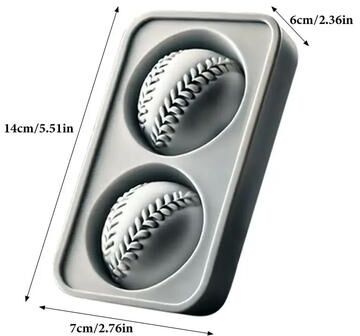
Inspired Living Hockey & Baseball Silicone Ice Mold Set For Cocktails Hockey Puck Ice Mold + Baseball Ice Cube Tray 2 GridsMake every sip feel like an occasion. This hockey puck ice mold and baseball set creates bold, slowmelting ice shapes that instantly upgrade whiskey, iced coffee, or party drinks. Designed for sports fans, home bartenders, and hosts who love...54,97 $*Shipping: 0,00 $Secure redirect to the provider
-
Sage The Puck SuckerSage The Puck Sucker is a no knock, no fuss and no mess solution for cleaning your used coffee grounds from your porta filter. Compatible with 58mm porta filters, the automatic suction cup creates a rapid vacuum, this quietly releases the used espresso coffee puck from the porta filter in one swift action. The puck sucker has a quick release lid which allows the disposal of the coffee waste quickly and easily. The tritan container is dishwasher safe for easy and convenient cleaning. The Puck Sucker has non-slip rubber feet for stability and safety when in use. Complete with a 9V battery.79,95 £*Shipping: 0,00 £Secure redirect to the provider
-
Playful Picks Wooden Slingshot Puck Game For Kids & Adults Wooden Slingshot Puck Game For Kids & AdultsPlaying for some time refreshes your mind to help you perfectly perform your daily routines. So you must spend some time in playing daily. But how By getting your hands on this Wooden Slingshot Puck Game For Kids & Adults. So play this game and stay...29,97 $*Shipping: 0,00 $Secure redirect to the provider
-
Can slowly twitching and fast twitching muscles be trained equally well?
Slow twitching and fast twitching muscles can be trained equally well, but they require different training approaches. Slow twitching muscles are best trained with endurance activities such as long-distance running or swimming, while fast twitching muscles respond better to explosive and high-intensity activities like sprinting or weightlifting. By incorporating a variety of training methods into a workout routine, both types of muscles can be effectively trained to improve overall muscle strength and performance. **
-
What is sudden twitching?
Sudden twitching refers to a quick, involuntary muscle movement that can occur in any part of the body. It is often described as a brief, jerking motion that can happen spontaneously without warning. Sudden twitching can be caused by various factors such as stress, fatigue, caffeine intake, or certain medical conditions. While occasional twitching is usually harmless, persistent or severe twitching may warrant medical attention to determine the underlying cause. **
-
What is eye twitching?
Eye twitching, also known as myokymia, is a repetitive, involuntary spasm of the eyelid muscles. It can occur in either the upper or lower eyelid and is usually harmless and temporary. Common causes of eye twitching include stress, fatigue, caffeine intake, and eye strain. In most cases, eye twitching resolves on its own without the need for medical treatment. **
-
What causes involuntary twitching?
Involuntary twitching can be caused by a variety of factors, including stress, fatigue, caffeine, and certain medications. It can also be a result of neurological conditions such as dystonia, Parkinson's disease, or Tourette syndrome. In some cases, involuntary twitching may be a symptom of an underlying medical condition or a side effect of certain medications. It is important to consult a healthcare professional if you are experiencing frequent or persistent involuntary twitching to determine the underlying cause and receive appropriate treatment. **
Similar search terms for Twitching
-
Inspired Living Hockey & Baseball Silicone Ice Mold Set For Cocktails Hockey Puck Ice Mold + Baseball Ice Cube Tray 4 GridsMake every sip feel like an occasion. This hockey puck ice mold and baseball set creates bold, slowmelting ice shapes that instantly upgrade whiskey, iced coffee, or party drinks. Designed for sports fans, home bartenders, and hosts who love...54,97 $*Shipping: 0,00 $Secure redirect to the provider
-
What causes eye twitching?
Eye twitching, also known as myokymia, is often caused by factors such as stress, fatigue, caffeine intake, and eye strain. Other possible causes include dry eyes, allergies, nutritional deficiencies, and certain medications. In most cases, eye twitching is harmless and tends to resolve on its own. However, if the twitching persists or is accompanied by other symptoms, it is advisable to consult a healthcare professional for further evaluation. **
-
What is muscle twitching?
Muscle twitching, also known as fasciculations, is the involuntary contraction of small muscle fibers. These twitches can be visible under the skin and may feel like a slight fluttering or spasm. Muscle twitching can be caused by a variety of factors such as stress, fatigue, caffeine intake, or certain medical conditions. In most cases, muscle twitching is harmless and temporary, but persistent or widespread twitching may warrant further evaluation by a healthcare professional. **
-
Is eye twitching something bad?
Eye twitching is usually not a cause for concern and is often harmless. It can be triggered by factors such as stress, fatigue, caffeine intake, or eye strain. However, if the twitching persists for a long period of time, is accompanied by other symptoms, or affects your vision, it is recommended to consult a healthcare professional to rule out any underlying medical conditions. **
-
What are twitching power cables?
Twitching power cables refer to electrical cables that are experiencing intermittent or irregular movements or vibrations. This can be caused by a variety of factors such as electrical surges, faulty connections, or physical damage to the cables. Twitching power cables can pose a safety hazard as they may lead to electrical fires or electric shock. It is important to address any issues with twitching power cables promptly to prevent potential accidents and damage. **
* All prices are inclusive of VAT and, if applicable, plus shipping costs. The offer information is based on the details provided by the respective shop and is updated through automated processes. Real-time updates do not occur, so deviations can occur in individual cases. ** Note: Parts of this content were created by AI.