Buy sledgeeishockey.eu ?
We are moving the project
sledgeeishockey.eu .
Are you interested in purchasing the domain
sledgeeishockey.eu ?
domain@kv-gmbh.de · 0541-91531010
Buy sledgeeishockey.eu ?
How can one produce large quantities of ice cubes?
One can produce large quantities of ice cubes by using a commercial ice maker or ice machine. These machines are designed to produce a high volume of ice cubes quickly and efficiently. They come in various sizes and capacities to meet different production needs. Additionally, one can also use ice cube trays and a freezer to produce large quantities of ice cubes, although this method may be more time-consuming and require more freezer space. **
What are quantities?
Quantities are numerical values that represent the amount or measurement of something. They can be expressed in different units of measurement, such as weight, length, time, or volume. Quantities are used in various fields such as science, mathematics, and economics to describe and compare different aspects of the physical world. Understanding quantities is essential for making accurate calculations, predictions, and decisions in many areas of study and everyday life. **

Similar search terms for Quantities
Top-Angebote
Products related to Quantities:
-
Playful Picks Wooden Slingshot Puck Game For Kids & Adults Wooden Slingshot Puck Game For Kids & AdultsPlaying for some time refreshes your mind to help you perfectly perform your daily routines. So you must spend some time in playing daily. But how By getting your hands on this Wooden Slingshot Puck Game For Kids & Adults. So play this game and stay...29,97 $*Shipping: 0,00 $Secure redirect to the provider



-
What is the difference between fundamental quantities and derived quantities?
Fundamental quantities are the basic physical quantities that cannot be defined in terms of other physical quantities, such as length, mass, time, electric current, temperature, amount of substance, and luminous intensity. Derived quantities, on the other hand, are physical quantities that are derived from fundamental quantities through mathematical operations or combinations, such as velocity (which is derived from length and time) or density (which is derived from mass and volume). In summary, fundamental quantities are the building blocks of the measurement system, while derived quantities are derived from these fundamental quantities. **
-
What are geometric quantities?
Geometric quantities are measurements or properties of geometric figures or shapes. These quantities can include length, area, volume, angles, and curvature. They are used to describe and analyze the characteristics of geometric objects in mathematics and physics. Geometric quantities play a crucial role in various fields such as engineering, architecture, and computer graphics. **
-
What are physical quantities?
Physical quantities are measurable properties of objects or phenomena that can be quantified using standard units of measurement. These quantities can be classified as either scalar or vector quantities, depending on whether they have only magnitude or both magnitude and direction. Examples of physical quantities include length, mass, time, temperature, and velocity. Physical quantities play a crucial role in physics and other scientific disciplines as they help describe and analyze the behavior of the natural world. **
-
What physical quantities are there?
Physical quantities are properties that can be measured and described using numerical values. Some examples of physical quantities include length, mass, time, temperature, electric charge, and energy. These quantities can be classified as either scalar (magnitude only) or vector (magnitude and direction). Physical quantities are fundamental in physics and are used to describe the behavior of matter and energy in the universe. **

What are these physical quantities?
These physical quantities are measurements of fundamental properties of the natural world. They can include things like mass, length, time, temperature, and electric charge. These quantities are used to describe and quantify the behavior of objects and systems in the physical world. They are essential for making predictions, conducting experiments, and understanding the laws of physics. **
What are vector quantities in physics?
Vector quantities in physics are physical quantities that have both magnitude and direction. Examples of vector quantities include displacement, velocity, acceleration, force, and momentum. These quantities are represented by arrows in diagrams, with the length of the arrow representing the magnitude and the direction of the arrow indicating the direction of the quantity. Vector quantities follow the rules of vector addition and subtraction, making them distinct from scalar quantities, which only have magnitude. **
Top-Angebote
Products related to Quantities:
-
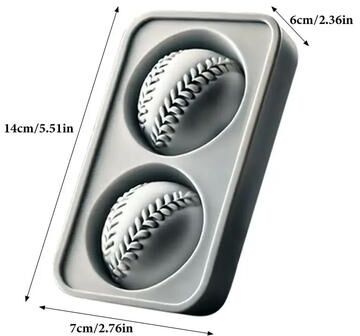
Inspired Living Hockey & Baseball Silicone Ice Mold Set For Cocktails Hockey Puck Ice Mold + Baseball Ice Cube Tray 2 GridsMake every sip feel like an occasion. This hockey puck ice mold and baseball set creates bold, slowmelting ice shapes that instantly upgrade whiskey, iced coffee, or party drinks. Designed for sports fans, home bartenders, and hosts who love...54,97 $*Shipping: 0,00 $Secure redirect to the provider
-
Sage The Puck SuckerSage The Puck Sucker is a no knock, no fuss and no mess solution for cleaning your used coffee grounds from your porta filter. Compatible with 58mm porta filters, the automatic suction cup creates a rapid vacuum, this quietly releases the used espresso coffee puck from the porta filter in one swift action. The puck sucker has a quick release lid which allows the disposal of the coffee waste quickly and easily. The tritan container is dishwasher safe for easy and convenient cleaning. The Puck Sucker has non-slip rubber feet for stability and safety when in use. Complete with a 9V battery.79,95 £*Shipping: 0,00 £Secure redirect to the provider
-
Playful Picks Wooden Slingshot Puck Game For Kids & Adults Wooden Slingshot Puck Game For Kids & AdultsPlaying for some time refreshes your mind to help you perfectly perform your daily routines. So you must spend some time in playing daily. But how By getting your hands on this Wooden Slingshot Puck Game For Kids & Adults. So play this game and stay...29,97 $*Shipping: 0,00 $Secure redirect to the provider
-
How can one produce large quantities of ice cubes?
One can produce large quantities of ice cubes by using a commercial ice maker or ice machine. These machines are designed to produce a high volume of ice cubes quickly and efficiently. They come in various sizes and capacities to meet different production needs. Additionally, one can also use ice cube trays and a freezer to produce large quantities of ice cubes, although this method may be more time-consuming and require more freezer space. **
-
What are quantities?
Quantities are numerical values that represent the amount or measurement of something. They can be expressed in different units of measurement, such as weight, length, time, or volume. Quantities are used in various fields such as science, mathematics, and economics to describe and compare different aspects of the physical world. Understanding quantities is essential for making accurate calculations, predictions, and decisions in many areas of study and everyday life. **
-
What is the difference between fundamental quantities and derived quantities?
Fundamental quantities are the basic physical quantities that cannot be defined in terms of other physical quantities, such as length, mass, time, electric current, temperature, amount of substance, and luminous intensity. Derived quantities, on the other hand, are physical quantities that are derived from fundamental quantities through mathematical operations or combinations, such as velocity (which is derived from length and time) or density (which is derived from mass and volume). In summary, fundamental quantities are the building blocks of the measurement system, while derived quantities are derived from these fundamental quantities. **
-
What are geometric quantities?
Geometric quantities are measurements or properties of geometric figures or shapes. These quantities can include length, area, volume, angles, and curvature. They are used to describe and analyze the characteristics of geometric objects in mathematics and physics. Geometric quantities play a crucial role in various fields such as engineering, architecture, and computer graphics. **
Similar search terms for Quantities
-
Inspired Living Hockey & Baseball Silicone Ice Mold Set For Cocktails Hockey Puck Ice Mold + Baseball Ice Cube Tray 4 GridsMake every sip feel like an occasion. This hockey puck ice mold and baseball set creates bold, slowmelting ice shapes that instantly upgrade whiskey, iced coffee, or party drinks. Designed for sports fans, home bartenders, and hosts who love...54,97 $*Shipping: 0,00 $Secure redirect to the provider
-
What are physical quantities?
Physical quantities are measurable properties of objects or phenomena that can be quantified using standard units of measurement. These quantities can be classified as either scalar or vector quantities, depending on whether they have only magnitude or both magnitude and direction. Examples of physical quantities include length, mass, time, temperature, and velocity. Physical quantities play a crucial role in physics and other scientific disciplines as they help describe and analyze the behavior of the natural world. **
-
What physical quantities are there?
Physical quantities are properties that can be measured and described using numerical values. Some examples of physical quantities include length, mass, time, temperature, electric charge, and energy. These quantities can be classified as either scalar (magnitude only) or vector (magnitude and direction). Physical quantities are fundamental in physics and are used to describe the behavior of matter and energy in the universe. **
-
What are these physical quantities?
These physical quantities are measurements of fundamental properties of the natural world. They can include things like mass, length, time, temperature, and electric charge. These quantities are used to describe and quantify the behavior of objects and systems in the physical world. They are essential for making predictions, conducting experiments, and understanding the laws of physics. **
-
What are vector quantities in physics?
Vector quantities in physics are physical quantities that have both magnitude and direction. Examples of vector quantities include displacement, velocity, acceleration, force, and momentum. These quantities are represented by arrows in diagrams, with the length of the arrow representing the magnitude and the direction of the arrow indicating the direction of the quantity. Vector quantities follow the rules of vector addition and subtraction, making them distinct from scalar quantities, which only have magnitude. **
* All prices are inclusive of VAT and, if applicable, plus shipping costs. The offer information is based on the details provided by the respective shop and is updated through automated processes. Real-time updates do not occur, so deviations can occur in individual cases. ** Note: Parts of this content were created by AI.