Buy sledgeeishockey.eu ?
We are moving the project
sledgeeishockey.eu .
Are you interested in purchasing the domain
sledgeeishockey.eu ?
domain@kv-gmbh.de · 0541-91531010
Buy sledgeeishockey.eu ?
Is the short story fictional or non-fictional?
The short story is fictional. It is a work of fiction that tells a made-up story, often involving characters, events, and settings that are not real. Fictional stories are created by the author's imagination and are not based on real events or people. **
What is the difference between fictional and non-fictional texts?
Fictional texts are narratives that are created from the author's imagination and are not based on real events or people. They often include elements of storytelling, such as characters, plot, and setting. Non-fictional texts, on the other hand, are based on real events, people, and information. They are meant to inform or educate the reader about a particular topic, and are often written in a more straightforward and factual style. Overall, the key difference between the two is that fictional texts are made-up stories, while non-fictional texts are based on real-life events and information. **

Similar search terms for Fictional
Top-Angebote
Products related to Fictional:
-
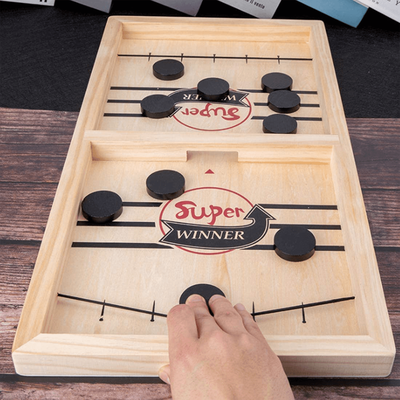
Playful Picks Wooden Slingshot Puck Game For Kids & Adults Wooden Slingshot Puck Game For Kids & AdultsPlaying for some time refreshes your mind to help you perfectly perform your daily routines. So you must spend some time in playing daily. But how By getting your hands on this Wooden Slingshot Puck Game For Kids & Adults. So play this game and stay...29,97 $*Shipping: 0,00 $Secure redirect to the provider


-
What are fictional places?
Fictional places are locations that are created within works of fiction, such as books, movies, or television shows. These places do not exist in the real world, but are imagined by the author or creator of the work. They can range from fantastical realms like Narnia or Middle-earth to more realistic settings like the town of Maycomb in "To Kill a Mockingbird." Fictional places serve as the backdrop for the story and often play a significant role in shaping the narrative and the characters' experiences. **
-
What are fictional elements?
Fictional elements are the imaginative and made-up components that contribute to the creation of a fictional story or world. These elements can include characters, settings, events, and objects that do not exist in reality but are essential to the narrative. Fictional elements allow authors to create unique and captivating stories that transport readers to new and fantastical worlds. They are a key aspect of fiction and play a crucial role in engaging the audience and bringing the story to life. **
-
What are some name ideas for a fictional country and a fictional city?
For a fictional country, some name ideas could be "Aurora" to evoke a sense of beauty and wonder, "Veridian" to convey a lush, green landscape, or "Novaria" to suggest a new and innovative society. For a fictional city, names like "Elysium" could imply a paradise-like setting, "Havenbrook" to suggest a safe and welcoming community, or "Aurelia" to convey a sense of prosperity and golden opportunities. These names can help set the tone and atmosphere for the fictional world you are creating. **
-
What are my fictional characters?
Your fictional characters are the individuals you have created in your stories, novels, or other forms of writing. They are the personalities that drive the plot forward, each with their own unique traits, motivations, and backstories. These characters can be heroes, villains, sidekicks, or any other role you have envisioned for them, and they play a crucial role in bringing your stories to life and engaging your readers. **

What is a fictional cult?
A fictional cult is a group of individuals who follow a set of beliefs, practices, or rituals that are often extreme or unconventional. These cults are created by authors, filmmakers, or other creators as part of a fictional story or world. They can serve as a plot device to explore themes of power, control, manipulation, or the dangers of blind faith. Fictional cults can range from secretive organizations with sinister motives to groups that genuinely believe in their cause but may be misguided or harmful. **
What is a fictional narrator?
A fictional narrator is a character within a work of fiction who tells the story to the reader. This character may be a participant in the events of the story, or they may be an observer recounting the events from a distance. The fictional narrator's perspective and voice shape the reader's understanding of the story, and their reliability or unreliability can add complexity to the narrative. The choice of narrator can greatly influence the reader's experience of the story. **
Top-Angebote
Products related to Fictional:
-
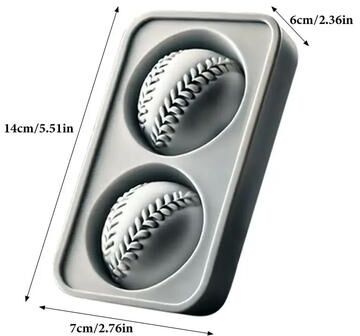
Inspired Living Hockey & Baseball Silicone Ice Mold Set For Cocktails Hockey Puck Ice Mold + Baseball Ice Cube Tray 2 GridsMake every sip feel like an occasion. This hockey puck ice mold and baseball set creates bold, slowmelting ice shapes that instantly upgrade whiskey, iced coffee, or party drinks. Designed for sports fans, home bartenders, and hosts who love...54,97 $*Shipping: 0,00 $Secure redirect to the provider
-
Sage The Puck SuckerSage The Puck Sucker is a no knock, no fuss and no mess solution for cleaning your used coffee grounds from your porta filter. Compatible with 58mm porta filters, the automatic suction cup creates a rapid vacuum, this quietly releases the used espresso coffee puck from the porta filter in one swift action. The puck sucker has a quick release lid which allows the disposal of the coffee waste quickly and easily. The tritan container is dishwasher safe for easy and convenient cleaning. The Puck Sucker has non-slip rubber feet for stability and safety when in use. Complete with a 9V battery.79,95 £*Shipping: 0,00 £Secure redirect to the provider
-
Playful Picks Wooden Slingshot Puck Game For Kids & Adults Wooden Slingshot Puck Game For Kids & AdultsPlaying for some time refreshes your mind to help you perfectly perform your daily routines. So you must spend some time in playing daily. But how By getting your hands on this Wooden Slingshot Puck Game For Kids & Adults. So play this game and stay...29,97 $*Shipping: 0,00 $Secure redirect to the provider
-
Is the short story fictional or non-fictional?
The short story is fictional. It is a work of fiction that tells a made-up story, often involving characters, events, and settings that are not real. Fictional stories are created by the author's imagination and are not based on real events or people. **
-
What is the difference between fictional and non-fictional texts?
Fictional texts are narratives that are created from the author's imagination and are not based on real events or people. They often include elements of storytelling, such as characters, plot, and setting. Non-fictional texts, on the other hand, are based on real events, people, and information. They are meant to inform or educate the reader about a particular topic, and are often written in a more straightforward and factual style. Overall, the key difference between the two is that fictional texts are made-up stories, while non-fictional texts are based on real-life events and information. **
-
What are fictional places?
Fictional places are locations that are created within works of fiction, such as books, movies, or television shows. These places do not exist in the real world, but are imagined by the author or creator of the work. They can range from fantastical realms like Narnia or Middle-earth to more realistic settings like the town of Maycomb in "To Kill a Mockingbird." Fictional places serve as the backdrop for the story and often play a significant role in shaping the narrative and the characters' experiences. **
-
What are fictional elements?
Fictional elements are the imaginative and made-up components that contribute to the creation of a fictional story or world. These elements can include characters, settings, events, and objects that do not exist in reality but are essential to the narrative. Fictional elements allow authors to create unique and captivating stories that transport readers to new and fantastical worlds. They are a key aspect of fiction and play a crucial role in engaging the audience and bringing the story to life. **
Similar search terms for Fictional
-
Inspired Living Hockey & Baseball Silicone Ice Mold Set For Cocktails Hockey Puck Ice Mold + Baseball Ice Cube Tray 4 GridsMake every sip feel like an occasion. This hockey puck ice mold and baseball set creates bold, slowmelting ice shapes that instantly upgrade whiskey, iced coffee, or party drinks. Designed for sports fans, home bartenders, and hosts who love...54,97 $*Shipping: 0,00 $Secure redirect to the provider
-
What are some name ideas for a fictional country and a fictional city?
For a fictional country, some name ideas could be "Aurora" to evoke a sense of beauty and wonder, "Veridian" to convey a lush, green landscape, or "Novaria" to suggest a new and innovative society. For a fictional city, names like "Elysium" could imply a paradise-like setting, "Havenbrook" to suggest a safe and welcoming community, or "Aurelia" to convey a sense of prosperity and golden opportunities. These names can help set the tone and atmosphere for the fictional world you are creating. **
-
What are my fictional characters?
Your fictional characters are the individuals you have created in your stories, novels, or other forms of writing. They are the personalities that drive the plot forward, each with their own unique traits, motivations, and backstories. These characters can be heroes, villains, sidekicks, or any other role you have envisioned for them, and they play a crucial role in bringing your stories to life and engaging your readers. **
-
What is a fictional cult?
A fictional cult is a group of individuals who follow a set of beliefs, practices, or rituals that are often extreme or unconventional. These cults are created by authors, filmmakers, or other creators as part of a fictional story or world. They can serve as a plot device to explore themes of power, control, manipulation, or the dangers of blind faith. Fictional cults can range from secretive organizations with sinister motives to groups that genuinely believe in their cause but may be misguided or harmful. **
-
What is a fictional narrator?
A fictional narrator is a character within a work of fiction who tells the story to the reader. This character may be a participant in the events of the story, or they may be an observer recounting the events from a distance. The fictional narrator's perspective and voice shape the reader's understanding of the story, and their reliability or unreliability can add complexity to the narrative. The choice of narrator can greatly influence the reader's experience of the story. **
* All prices are inclusive of VAT and, if applicable, plus shipping costs. The offer information is based on the details provided by the respective shop and is updated through automated processes. Real-time updates do not occur, so deviations can occur in individual cases. ** Note: Parts of this content were created by AI.