Buy sledgeeishockey.eu ?
We are moving the project
sledgeeishockey.eu .
Are you interested in purchasing the domain
sledgeeishockey.eu ?
domain@kv-gmbh.de · 0541-91531010
Buy sledgeeishockey.eu ?
What is deontology?
Deontology is an ethical theory that focuses on the moral duties and obligations that individuals have. It emphasizes the importance of following rules and principles in making ethical decisions, rather than focusing on the consequences of those decisions. Deontologists believe that certain actions are inherently right or wrong, regardless of the outcomes they produce. This ethical framework is often associated with philosophers like Immanuel Kant, who argued that moral actions should be guided by principles such as the categorical imperative. **
What are the differences between utilitarianism and deontology?
Utilitarianism is a consequentialist ethical theory that focuses on the outcomes or consequences of actions. It emphasizes maximizing overall happiness or well-being for the greatest number of people. On the other hand, deontology is a non-consequentialist ethical theory that emphasizes the inherent rightness or wrongness of actions, regardless of their consequences. Deontology is based on the idea of duty and adherence to moral rules or principles, such as honesty or respect for human dignity. While utilitarianism prioritizes the greatest good for the greatest number, deontology prioritizes the moral principles and duties that guide our actions. **


Similar search terms for Deontology
Top-Angebote
Products related to Deontology:
-
K2 Alexis Ice skates (Black/Green/White) - Black;Green;White - Size: 5 EUAn excellent ice skate designed for women seeking a soft, comfortable skate that still offers reliable stability. The K2 Alexis features shoelaces, Velcro, and a buckle to ensure a secure fit and optimal control.98,95 £*Shipping: 0,00 £Secure redirect to the provider
-
Roces RSK 2 Womens Ice Skates (White-azure) - White;Blue - Size: 3 EUHockey-style recreational ice skates for women The RSK recreational ice skates by Roces are crafted for women and are perfect for a range of ice activities. They sport the stylish appearance of hockey skates but are much softer and more comfortable to wear.74,95 £*Shipping: 1,95 £Secure redirect to the provider
-
Sage The Puck SuckerSage The Puck Sucker is a no knock, no fuss and no mess solution for cleaning your used coffee grounds from your porta filter. Compatible with 58mm porta filters, the automatic suction cup creates a rapid vacuum, this quietly releases the used espresso coffee puck from the porta filter in one swift action. The puck sucker has a quick release lid which allows the disposal of the coffee waste quickly and easily. The tritan container is dishwasher safe for easy and convenient cleaning. The Puck Sucker has non-slip rubber feet for stability and safety when in use. Complete with a 9V battery.79,95 £*Shipping: 0,00 £Secure redirect to the provider


-
What is the difference between deontology and duty ethics?
Deontology is a broader ethical theory that focuses on the moral principles and rules that guide our actions, while duty ethics is a specific form of deontology that emphasizes the importance of fulfilling one's duties and obligations. Deontology considers the morality of an action based on whether it follows certain rules or principles, while duty ethics specifically emphasizes the importance of fulfilling one's duties and responsibilities, regardless of the consequences. In other words, while deontology looks at the morality of actions based on principles, duty ethics places a strong emphasis on fulfilling one's specific duties and obligations. **
-
What are the differences and similarities between eudaimonia and deontology?
Eudaimonia and deontology are both ethical theories, but they differ in their approach. Eudaimonia, often associated with Aristotle, focuses on the concept of human flourishing and living a virtuous life to achieve happiness. Deontology, on the other hand, is a moral theory that emphasizes the importance of following rules and duties to determine what is right or wrong, regardless of the consequences. Both theories aim to guide individuals in making ethical decisions, but eudaimonia is more focused on the overall well-being and character development of a person, while deontology is more concerned with the principles and duties that should be followed in moral decision-making. **
-
Why is the puck called a puck in ice hockey and not an ice hockey disc?
The term "puck" is used in ice hockey because historically, the object used in the game was a small, flat disc made of rubber. The word "puck" is derived from the Scottish Gaelic word "puc" or the Irish word "poc," which both mean "to poke" or "to punch." This is likely because players would use a stick to poke or punch the puck across the ice. Over time, the term "puck" became firmly established in the sport, and it is now universally used to refer to the object used in ice hockey. **
-
What is the difference between ice skates and ice hockey skates?
Ice skates are designed for figure skating and have a longer, straighter blade that allows for more stability and control for performing jumps, spins, and intricate footwork. On the other hand, ice hockey skates are designed for the fast-paced, physical nature of hockey and have a shorter, curved blade that allows for quick turns, stops, and acceleration. Additionally, ice hockey skates have more ankle support and padding to protect against the impact of the game. **

What are ice skates?
Ice skates are footwear with blades attached to the bottom, designed for gliding on ice. They are used for ice skating, a popular winter sport and recreational activity. Ice skates come in various styles, including figure skates for figure skating and hockey skates for ice hockey. The blades of ice skates are specially designed to glide smoothly over the ice, allowing the skater to move gracefully and efficiently. **
How wide are the ice skates (hockey skates)?
Ice skates, including hockey skates, come in various widths to accommodate different foot shapes and sizes. The width of ice skates is typically measured using letters such as A, B, C, D, and E, with D being the most common width for men's skates and B being the most common width for women's skates. The specific width of a pair of ice skates will depend on the brand and model, and it is important to find the right width to ensure a comfortable and secure fit for optimal performance on the ice. **
Top-Angebote
Products related to Deontology:
-
Inspired Living Hockey & Baseball Silicone Ice Mold Set For Cocktails Hockey Puck Ice Mold + Baseball Ice Cube Tray 4 GridsMake every sip feel like an occasion. This hockey puck ice mold and baseball set creates bold, slowmelting ice shapes that instantly upgrade whiskey, iced coffee, or party drinks. Designed for sports fans, home bartenders, and hosts who love...54,97 $*Shipping: 0,00 $Secure redirect to the provider
-
Supreme Justerbar Kids Ice Skates (Black) - Black;White - Size: 6-8 EUSupreme Justerbar Kids Ice Skates are ideal for young recreational skaters. These adjustable ice skates have a waterproof seam and cushioned ankle support, ensuring a comfortable fit. With a velvet lining and stable cuff, they offer extra comfort and support.50,95 £*Shipping: 1,95 £Secure redirect to the provider
-
K2 Alexis Ice skates (Black/Green/White) - Black;Green;White - Size: 5 EUAn excellent ice skate designed for women seeking a soft, comfortable skate that still offers reliable stability. The K2 Alexis features shoelaces, Velcro, and a buckle to ensure a secure fit and optimal control.98,95 £*Shipping: 0,00 £Secure redirect to the provider
-
What is deontology?
Deontology is an ethical theory that focuses on the moral duties and obligations that individuals have. It emphasizes the importance of following rules and principles in making ethical decisions, rather than focusing on the consequences of those decisions. Deontologists believe that certain actions are inherently right or wrong, regardless of the outcomes they produce. This ethical framework is often associated with philosophers like Immanuel Kant, who argued that moral actions should be guided by principles such as the categorical imperative. **
-
What are the differences between utilitarianism and deontology?
Utilitarianism is a consequentialist ethical theory that focuses on the outcomes or consequences of actions. It emphasizes maximizing overall happiness or well-being for the greatest number of people. On the other hand, deontology is a non-consequentialist ethical theory that emphasizes the inherent rightness or wrongness of actions, regardless of their consequences. Deontology is based on the idea of duty and adherence to moral rules or principles, such as honesty or respect for human dignity. While utilitarianism prioritizes the greatest good for the greatest number, deontology prioritizes the moral principles and duties that guide our actions. **
-
What is the difference between deontology and duty ethics?
Deontology is a broader ethical theory that focuses on the moral principles and rules that guide our actions, while duty ethics is a specific form of deontology that emphasizes the importance of fulfilling one's duties and obligations. Deontology considers the morality of an action based on whether it follows certain rules or principles, while duty ethics specifically emphasizes the importance of fulfilling one's duties and responsibilities, regardless of the consequences. In other words, while deontology looks at the morality of actions based on principles, duty ethics places a strong emphasis on fulfilling one's specific duties and obligations. **
-
What are the differences and similarities between eudaimonia and deontology?
Eudaimonia and deontology are both ethical theories, but they differ in their approach. Eudaimonia, often associated with Aristotle, focuses on the concept of human flourishing and living a virtuous life to achieve happiness. Deontology, on the other hand, is a moral theory that emphasizes the importance of following rules and duties to determine what is right or wrong, regardless of the consequences. Both theories aim to guide individuals in making ethical decisions, but eudaimonia is more focused on the overall well-being and character development of a person, while deontology is more concerned with the principles and duties that should be followed in moral decision-making. **
Similar search terms for Deontology
-
Roces RSK 2 Womens Ice Skates (White-azure) - White;Blue - Size: 3 EUHockey-style recreational ice skates for women The RSK recreational ice skates by Roces are crafted for women and are perfect for a range of ice activities. They sport the stylish appearance of hockey skates but are much softer and more comfortable to wear.74,95 £*Shipping: 1,95 £Secure redirect to the provider
-
Sage The Puck SuckerSage The Puck Sucker is a no knock, no fuss and no mess solution for cleaning your used coffee grounds from your porta filter. Compatible with 58mm porta filters, the automatic suction cup creates a rapid vacuum, this quietly releases the used espresso coffee puck from the porta filter in one swift action. The puck sucker has a quick release lid which allows the disposal of the coffee waste quickly and easily. The tritan container is dishwasher safe for easy and convenient cleaning. The Puck Sucker has non-slip rubber feet for stability and safety when in use. Complete with a 9V battery.79,95 £*Shipping: 0,00 £Secure redirect to the provider
-
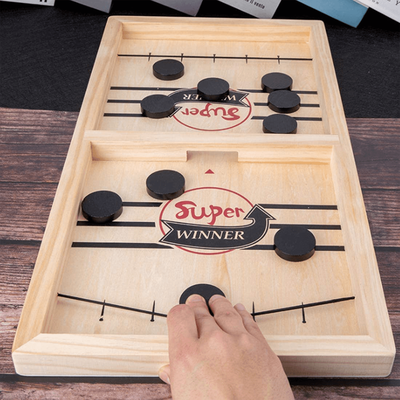
Playful Picks Wooden Slingshot Puck Game For Kids & Adults Wooden Slingshot Puck Game For Kids & AdultsPlaying for some time refreshes your mind to help you perfectly perform your daily routines. So you must spend some time in playing daily. But how By getting your hands on this Wooden Slingshot Puck Game For Kids & Adults. So play this game and stay...29,97 $*Shipping: 0,00 $Secure redirect to the provider
-
Why is the puck called a puck in ice hockey and not an ice hockey disc?
The term "puck" is used in ice hockey because historically, the object used in the game was a small, flat disc made of rubber. The word "puck" is derived from the Scottish Gaelic word "puc" or the Irish word "poc," which both mean "to poke" or "to punch." This is likely because players would use a stick to poke or punch the puck across the ice. Over time, the term "puck" became firmly established in the sport, and it is now universally used to refer to the object used in ice hockey. **
-
What is the difference between ice skates and ice hockey skates?
Ice skates are designed for figure skating and have a longer, straighter blade that allows for more stability and control for performing jumps, spins, and intricate footwork. On the other hand, ice hockey skates are designed for the fast-paced, physical nature of hockey and have a shorter, curved blade that allows for quick turns, stops, and acceleration. Additionally, ice hockey skates have more ankle support and padding to protect against the impact of the game. **
-
What are ice skates?
Ice skates are footwear with blades attached to the bottom, designed for gliding on ice. They are used for ice skating, a popular winter sport and recreational activity. Ice skates come in various styles, including figure skates for figure skating and hockey skates for ice hockey. The blades of ice skates are specially designed to glide smoothly over the ice, allowing the skater to move gracefully and efficiently. **
-
How wide are the ice skates (hockey skates)?
Ice skates, including hockey skates, come in various widths to accommodate different foot shapes and sizes. The width of ice skates is typically measured using letters such as A, B, C, D, and E, with D being the most common width for men's skates and B being the most common width for women's skates. The specific width of a pair of ice skates will depend on the brand and model, and it is important to find the right width to ensure a comfortable and secure fit for optimal performance on the ice. **
* All prices are inclusive of VAT and, if applicable, plus shipping costs. The offer information is based on the details provided by the respective shop and is updated through automated processes. Real-time updates do not occur, so deviations can occur in individual cases. ** Note: Parts of this content were created by AI.