Buy sledgeeishockey.eu ?
We are moving the project
sledgeeishockey.eu .
Are you interested in purchasing the domain
sledgeeishockey.eu ?
domain@kv-gmbh.de · 0541-91531010
Buy sledgeeishockey.eu ?
Why is Charlemagne called Charlemagne?
Charlemagne is called Charlemagne because it is the French translation of his original name, Carolus Magnus, which means Charles the Great in Latin. He was a powerful and influential ruler of the Carolingian Empire, and his reign had a significant impact on European history. The name Charlemagne has become synonymous with his legacy as a great military leader, statesman, and supporter of the arts and education during the early Middle Ages. **
How did Charlemagne travel?
Charlemagne traveled primarily on horseback or by carriage, as these were the most common modes of transportation during the early Middle Ages. He also used boats to navigate rivers and seas when necessary. Charlemagne's extensive network of roads, known as the "King's Roads," facilitated his travel throughout his vast empire. Additionally, he had a team of messengers and couriers who would travel ahead to prepare for his arrival and ensure his safety during his journeys. **

Similar search terms for Charlemagne
Top-Angebote
Products related to Charlemagne:
-
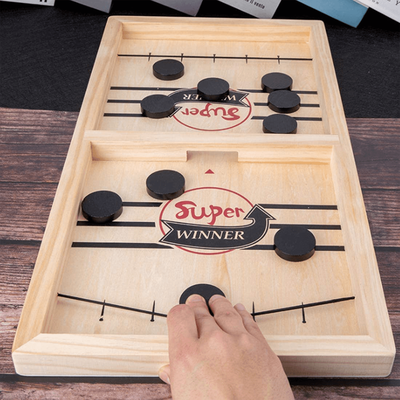
Playful Picks Wooden Slingshot Puck Game For Kids & Adults Wooden Slingshot Puck Game For Kids & AdultsPlaying for some time refreshes your mind to help you perfectly perform your daily routines. So you must spend some time in playing daily. But how By getting your hands on this Wooden Slingshot Puck Game For Kids & Adults. So play this game and stay...29,97 $*Shipping: 0,00 $Secure redirect to the provider


-
What was Charlemagne exactly?
Charlemagne, also known as Charles the Great, was a medieval ruler who became the first Holy Roman Emperor in 800 AD. He was the King of the Franks and expanded his kingdom to become the ruler of a vast empire that covered much of Western Europe. Charlemagne is remembered for his military conquests, his efforts to promote education and culture, and his role in the spread of Christianity. He is considered one of the most important figures in European history and is often referred to as the "Father of Europe." **
-
Has Charlemagne deserved his name?
Yes, Charlemagne has deserved his name as "Charles the Great" due to his significant achievements and impact on European history. He expanded the Frankish kingdom into a vast empire, promoting cultural and intellectual growth through his support of education and the arts. He also played a crucial role in the spread of Christianity and the establishment of the Holy Roman Empire. His military conquests and political leadership solidified his reputation as a great ruler, earning him the title of Charlemagne. **
-
How can one abbreviate Charlemagne?
One can abbreviate Charlemagne as "Charl." or "Ch." for short. These abbreviations are commonly used in historical texts and academic literature to refer to the famous medieval emperor. **
-
Why did Charlemagne travel so much?
Charlemagne traveled extensively to maintain control over his vast empire, which stretched across modern-day France, Germany, and parts of Italy. He believed that it was important to personally oversee the administration of his territories, enforce his laws, and ensure the loyalty of his subjects. Additionally, Charlemagne traveled to lead military campaigns against external threats and to negotiate alliances with neighboring kingdoms. His frequent travels also allowed him to stay informed about local issues and to project his power and authority throughout his realm. **


Do all Europeans descend from Charlemagne?
No, not all Europeans descend from Charlemagne. While Charlemagne had many children and descendants, the population of Europe is vast and diverse, with many different ancestral lineages. It is estimated that Charlemagne has millions of living descendants today, but not everyone in Europe can trace their ancestry back to him. Ancestral lineage is complex and varied, and it is unlikely that all Europeans share a direct descent from Charlemagne. **
What were the court offices of Charlemagne?
Charlemagne's court offices included the chancellor, who was responsible for drafting and authenticating documents; the chamberlain, who managed the royal household and treasury; the seneschal, who oversaw the administration of justice and the royal estates; and the marshal, who was in charge of the military. These officials played crucial roles in maintaining order and managing the affairs of the Carolingian Empire under Charlemagne's rule. **
Top-Angebote
Products related to Charlemagne:
-
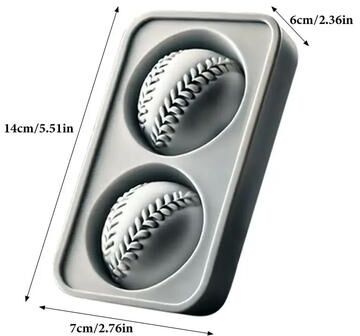
Inspired Living Hockey & Baseball Silicone Ice Mold Set For Cocktails Hockey Puck Ice Mold + Baseball Ice Cube Tray 2 GridsMake every sip feel like an occasion. This hockey puck ice mold and baseball set creates bold, slowmelting ice shapes that instantly upgrade whiskey, iced coffee, or party drinks. Designed for sports fans, home bartenders, and hosts who love...54,97 $*Shipping: 0,00 $Secure redirect to the provider
-
Sage The Puck SuckerSage The Puck Sucker is a no knock, no fuss and no mess solution for cleaning your used coffee grounds from your porta filter. Compatible with 58mm porta filters, the automatic suction cup creates a rapid vacuum, this quietly releases the used espresso coffee puck from the porta filter in one swift action. The puck sucker has a quick release lid which allows the disposal of the coffee waste quickly and easily. The tritan container is dishwasher safe for easy and convenient cleaning. The Puck Sucker has non-slip rubber feet for stability and safety when in use. Complete with a 9V battery.79,95 £*Shipping: 0,00 £Secure redirect to the provider
-
Playful Picks Wooden Slingshot Puck Game For Kids & Adults Wooden Slingshot Puck Game For Kids & AdultsPlaying for some time refreshes your mind to help you perfectly perform your daily routines. So you must spend some time in playing daily. But how By getting your hands on this Wooden Slingshot Puck Game For Kids & Adults. So play this game and stay...29,97 $*Shipping: 0,00 $Secure redirect to the provider
-
Why is Charlemagne called Charlemagne?
Charlemagne is called Charlemagne because it is the French translation of his original name, Carolus Magnus, which means Charles the Great in Latin. He was a powerful and influential ruler of the Carolingian Empire, and his reign had a significant impact on European history. The name Charlemagne has become synonymous with his legacy as a great military leader, statesman, and supporter of the arts and education during the early Middle Ages. **
-
How did Charlemagne travel?
Charlemagne traveled primarily on horseback or by carriage, as these were the most common modes of transportation during the early Middle Ages. He also used boats to navigate rivers and seas when necessary. Charlemagne's extensive network of roads, known as the "King's Roads," facilitated his travel throughout his vast empire. Additionally, he had a team of messengers and couriers who would travel ahead to prepare for his arrival and ensure his safety during his journeys. **
-
What was Charlemagne exactly?
Charlemagne, also known as Charles the Great, was a medieval ruler who became the first Holy Roman Emperor in 800 AD. He was the King of the Franks and expanded his kingdom to become the ruler of a vast empire that covered much of Western Europe. Charlemagne is remembered for his military conquests, his efforts to promote education and culture, and his role in the spread of Christianity. He is considered one of the most important figures in European history and is often referred to as the "Father of Europe." **
-
Has Charlemagne deserved his name?
Yes, Charlemagne has deserved his name as "Charles the Great" due to his significant achievements and impact on European history. He expanded the Frankish kingdom into a vast empire, promoting cultural and intellectual growth through his support of education and the arts. He also played a crucial role in the spread of Christianity and the establishment of the Holy Roman Empire. His military conquests and political leadership solidified his reputation as a great ruler, earning him the title of Charlemagne. **
Similar search terms for Charlemagne
-
Inspired Living Hockey & Baseball Silicone Ice Mold Set For Cocktails Hockey Puck Ice Mold + Baseball Ice Cube Tray 4 GridsMake every sip feel like an occasion. This hockey puck ice mold and baseball set creates bold, slowmelting ice shapes that instantly upgrade whiskey, iced coffee, or party drinks. Designed for sports fans, home bartenders, and hosts who love...54,97 $*Shipping: 0,00 $Secure redirect to the provider
-
How can one abbreviate Charlemagne?
One can abbreviate Charlemagne as "Charl." or "Ch." for short. These abbreviations are commonly used in historical texts and academic literature to refer to the famous medieval emperor. **
-
Why did Charlemagne travel so much?
Charlemagne traveled extensively to maintain control over his vast empire, which stretched across modern-day France, Germany, and parts of Italy. He believed that it was important to personally oversee the administration of his territories, enforce his laws, and ensure the loyalty of his subjects. Additionally, Charlemagne traveled to lead military campaigns against external threats and to negotiate alliances with neighboring kingdoms. His frequent travels also allowed him to stay informed about local issues and to project his power and authority throughout his realm. **
-
Do all Europeans descend from Charlemagne?
No, not all Europeans descend from Charlemagne. While Charlemagne had many children and descendants, the population of Europe is vast and diverse, with many different ancestral lineages. It is estimated that Charlemagne has millions of living descendants today, but not everyone in Europe can trace their ancestry back to him. Ancestral lineage is complex and varied, and it is unlikely that all Europeans share a direct descent from Charlemagne. **
-
What were the court offices of Charlemagne?
Charlemagne's court offices included the chancellor, who was responsible for drafting and authenticating documents; the chamberlain, who managed the royal household and treasury; the seneschal, who oversaw the administration of justice and the royal estates; and the marshal, who was in charge of the military. These officials played crucial roles in maintaining order and managing the affairs of the Carolingian Empire under Charlemagne's rule. **
* All prices are inclusive of VAT and, if applicable, plus shipping costs. The offer information is based on the details provided by the respective shop and is updated through automated processes. Real-time updates do not occur, so deviations can occur in individual cases. ** Note: Parts of this content were created by AI.