Buy sledgeeishockey.eu ?
We are moving the project
sledgeeishockey.eu .
Are you interested in purchasing the domain
sledgeeishockey.eu ?
domain@kv-gmbh.de · 0541-91531010
Buy sledgeeishockey.eu ?
Why is the puck called a puck in ice hockey and not an ice hockey disc?
The term "puck" is used in ice hockey because historically, the object used in the game was a small, flat disc made of rubber. The word "puck" is derived from the Scottish Gaelic word "puc" or the Irish word "poc," which both mean "to poke" or "to punch." This is likely because players would use a stick to poke or punch the puck across the ice. Over time, the term "puck" became firmly established in the sport, and it is now universally used to refer to the object used in ice hockey. **
Is ice-cold behavior a kind of protective barrier?
Yes, ice-cold behavior can be a kind of protective barrier. People may exhibit this behavior as a way to distance themselves from others in order to protect themselves from potential emotional harm. It can be a defense mechanism to avoid getting hurt or to maintain a sense of control in challenging situations. However, it's important to recognize that this behavior can also have negative effects on relationships and communication. **

Similar search terms for Behavior
Top-Angebote
Products related to Behavior:
-
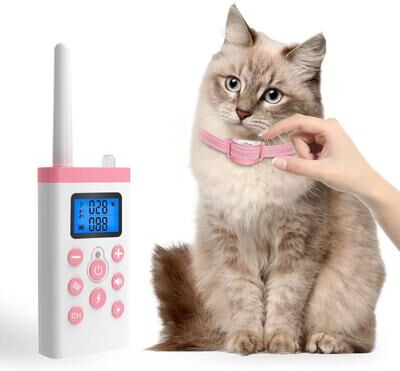
Inspire Essentials QuietPaws Remote Training And Behavior Support Cat Collar pinkHelp encourage calmer behavior and more peaceful routines with this cat training collar designed for convenient remote guidance and behavior support. Featuring remote control functionality and automatic response modes this remote cat collar helps...131,48 $*Shipping: 0,00 $Secure redirect to the provider
-
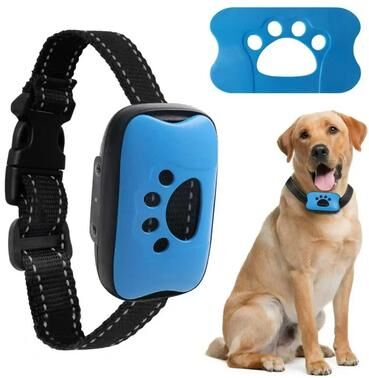
Uplift Essentials Anti Bark Training Collar Smart Ultrasonic & Vibration Behavior Correction orangeRestore peace and quiet to your home with our Professional AntiBark Training Collar. This intelligent device is engineered to discourage excessive barking through a progressive, humane correction system. Unlike manual trainers, this collar utilizes...46,97 $*Shipping: 0,00 $Secure redirect to the provider
-
Uplifted Finds PaiPaitek Precision Behavior Training Collar pinkAchieve professionalgrade results in feline behavioral management with the PaiPaitek Precision Training Collar, a highreliability system engineered with multimode correction logic. This device is the industry's most compact solution, specifically...321,97 $*Shipping: 0,00 $Secure redirect to the provider
-
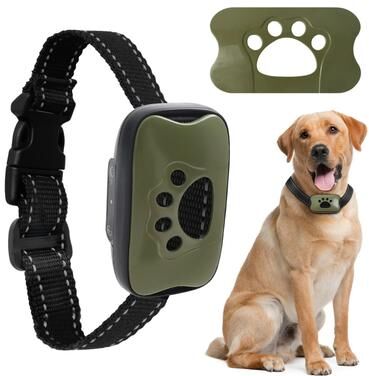
Uplift Essentials Anti Bark Training Collar Smart Ultrasonic & Vibration Behavior Correction greenRestore peace and quiet to your home with our Professional AntiBark Training Collar. This intelligent device is engineered to discourage excessive barking through a progressive, humane correction system. Unlike manual trainers, this collar utilizes...46,97 $*Shipping: 0,00 $Secure redirect to the provider

-
What is the difference between ice skates and ice hockey skates?
Ice skates are designed for figure skating and have a longer, straighter blade that allows for more stability and control for performing jumps, spins, and intricate footwork. On the other hand, ice hockey skates are designed for the fast-paced, physical nature of hockey and have a shorter, curved blade that allows for quick turns, stops, and acceleration. Additionally, ice hockey skates have more ankle support and padding to protect against the impact of the game. **
-
What are ice skates?
Ice skates are footwear with blades attached to the bottom, designed for gliding on ice. They are used for ice skating, a popular winter sport and recreational activity. Ice skates come in various styles, including figure skates for figure skating and hockey skates for ice hockey. The blades of ice skates are specially designed to glide smoothly over the ice, allowing the skater to move gracefully and efficiently. **
-
How wide are the ice skates (hockey skates)?
Ice skates, including hockey skates, come in various widths to accommodate different foot shapes and sizes. The width of ice skates is typically measured using letters such as A, B, C, D, and E, with D being the most common width for men's skates and B being the most common width for women's skates. The specific width of a pair of ice skates will depend on the brand and model, and it is important to find the right width to ensure a comfortable and secure fit for optimal performance on the ice. **
-
What about the ice skates?
The ice skates are an essential piece of equipment for ice skating. They are specially designed to glide smoothly over the ice and provide stability and control for the skater. The blades are sharp and curved to allow for maneuverability and speed. It's important to choose the right size and type of skates for your skill level and the type of skating you plan to do, whether it's figure skating, ice hockey, or recreational skating. Proper maintenance and sharpening of the blades are also crucial for optimal performance on the ice. **

What size are ice skates?
Ice skates come in a variety of sizes, typically ranging from children's sizes as small as 6 to adult sizes as large as 15 or more. The size of ice skates is usually determined by the length of the foot in inches or centimeters, and different brands may have slightly different sizing charts. It's important to get the right size of ice skates to ensure a comfortable and secure fit for optimal performance and safety on the ice. **
Do ice skates cause wounds?
Yes, ice skates can cause wounds if not used properly or if there is a fall or collision while skating. The sharp blades of the skates can cut the skin, leading to lacerations or puncture wounds. It is important to wear proper protective gear, such as gloves and knee pads, and to skate in a controlled manner to minimize the risk of injury. Regularly sharpening the blades and checking for any damage can also help prevent accidents and wounds while ice skating. **
Top-Angebote
Products related to Behavior:
-
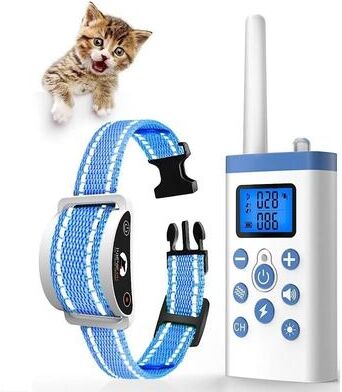
Uplifted Finds PaiPaitek Precision Behavior Training Collar blueAchieve professionalgrade results in feline behavioral management with the PaiPaitek Precision Training Collar, a highreliability system engineered with multimode correction logic. This device is the industry's most compact solution, specifically...321,97 $*Shipping: 0,00 $Secure redirect to the provider
-
Happy Pet Pantry Natural Catnip Spray For Cats Scratching Training & Behavior Enrichment Mist Natural Catnip Spray For Cats Scratching Training & Behavior Enrichment MistTurn everyday moments into joyful playtime your cat cant resist. This natural catnip spray for cats is designed to instantly attract feline attention, encourage healthy scratching habits, and reduce boredomdriven behavior. Perfect for kittens and...41,97 $*Shipping: 0,00 $Secure redirect to the provider
-
Inspire Essentials QuietPaws Remote Training And Behavior Support Cat Collar pinkHelp encourage calmer behavior and more peaceful routines with this cat training collar designed for convenient remote guidance and behavior support. Featuring remote control functionality and automatic response modes this remote cat collar helps...131,48 $*Shipping: 0,00 $Secure redirect to the provider
-
Uplift Essentials Anti Bark Training Collar Smart Ultrasonic & Vibration Behavior Correction orangeRestore peace and quiet to your home with our Professional AntiBark Training Collar. This intelligent device is engineered to discourage excessive barking through a progressive, humane correction system. Unlike manual trainers, this collar utilizes...46,97 $*Shipping: 0,00 $Secure redirect to the provider
-
Why is the puck called a puck in ice hockey and not an ice hockey disc?
The term "puck" is used in ice hockey because historically, the object used in the game was a small, flat disc made of rubber. The word "puck" is derived from the Scottish Gaelic word "puc" or the Irish word "poc," which both mean "to poke" or "to punch." This is likely because players would use a stick to poke or punch the puck across the ice. Over time, the term "puck" became firmly established in the sport, and it is now universally used to refer to the object used in ice hockey. **
-
Is ice-cold behavior a kind of protective barrier?
Yes, ice-cold behavior can be a kind of protective barrier. People may exhibit this behavior as a way to distance themselves from others in order to protect themselves from potential emotional harm. It can be a defense mechanism to avoid getting hurt or to maintain a sense of control in challenging situations. However, it's important to recognize that this behavior can also have negative effects on relationships and communication. **
-
What is the difference between ice skates and ice hockey skates?
Ice skates are designed for figure skating and have a longer, straighter blade that allows for more stability and control for performing jumps, spins, and intricate footwork. On the other hand, ice hockey skates are designed for the fast-paced, physical nature of hockey and have a shorter, curved blade that allows for quick turns, stops, and acceleration. Additionally, ice hockey skates have more ankle support and padding to protect against the impact of the game. **
-
What are ice skates?
Ice skates are footwear with blades attached to the bottom, designed for gliding on ice. They are used for ice skating, a popular winter sport and recreational activity. Ice skates come in various styles, including figure skates for figure skating and hockey skates for ice hockey. The blades of ice skates are specially designed to glide smoothly over the ice, allowing the skater to move gracefully and efficiently. **
Similar search terms for Behavior
-
Uplifted Finds PaiPaitek Precision Behavior Training Collar pinkAchieve professionalgrade results in feline behavioral management with the PaiPaitek Precision Training Collar, a highreliability system engineered with multimode correction logic. This device is the industry's most compact solution, specifically...321,97 $*Shipping: 0,00 $Secure redirect to the provider
-
Uplift Essentials Anti Bark Training Collar Smart Ultrasonic & Vibration Behavior Correction greenRestore peace and quiet to your home with our Professional AntiBark Training Collar. This intelligent device is engineered to discourage excessive barking through a progressive, humane correction system. Unlike manual trainers, this collar utilizes...46,97 $*Shipping: 0,00 $Secure redirect to the provider
-
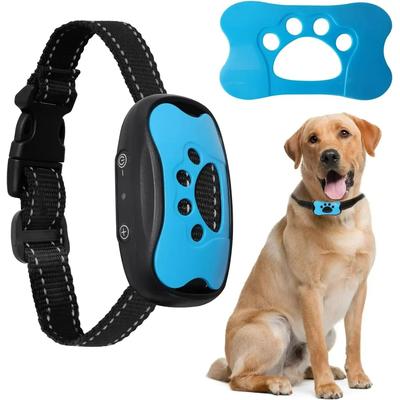
Uplift Essentials Anti Bark Training Collar Smart Ultrasonic & Vibration Behavior Correction blueRestore peace and quiet to your home with our Professional AntiBark Training Collar. This intelligent device is engineered to discourage excessive barking through a progressive, humane correction system. Unlike manual trainers, this collar utilizes...46,97 $*Shipping: 0,00 $Secure redirect to the provider
-
Uplift Essentials Anti Bark Training Collar Smart Ultrasonic & Vibration Behavior Correction blackRestore peace and quiet to your home with our Professional AntiBark Training Collar. This intelligent device is engineered to discourage excessive barking through a progressive, humane correction system. Unlike manual trainers, this collar utilizes...46,97 $*Shipping: 0,00 $Secure redirect to the provider
-
How wide are the ice skates (hockey skates)?
Ice skates, including hockey skates, come in various widths to accommodate different foot shapes and sizes. The width of ice skates is typically measured using letters such as A, B, C, D, and E, with D being the most common width for men's skates and B being the most common width for women's skates. The specific width of a pair of ice skates will depend on the brand and model, and it is important to find the right width to ensure a comfortable and secure fit for optimal performance on the ice. **
-
What about the ice skates?
The ice skates are an essential piece of equipment for ice skating. They are specially designed to glide smoothly over the ice and provide stability and control for the skater. The blades are sharp and curved to allow for maneuverability and speed. It's important to choose the right size and type of skates for your skill level and the type of skating you plan to do, whether it's figure skating, ice hockey, or recreational skating. Proper maintenance and sharpening of the blades are also crucial for optimal performance on the ice. **
-
What size are ice skates?
Ice skates come in a variety of sizes, typically ranging from children's sizes as small as 6 to adult sizes as large as 15 or more. The size of ice skates is usually determined by the length of the foot in inches or centimeters, and different brands may have slightly different sizing charts. It's important to get the right size of ice skates to ensure a comfortable and secure fit for optimal performance and safety on the ice. **
-
Do ice skates cause wounds?
Yes, ice skates can cause wounds if not used properly or if there is a fall or collision while skating. The sharp blades of the skates can cut the skin, leading to lacerations or puncture wounds. It is important to wear proper protective gear, such as gloves and knee pads, and to skate in a controlled manner to minimize the risk of injury. Regularly sharpening the blades and checking for any damage can also help prevent accidents and wounds while ice skating. **
* All prices are inclusive of VAT and, if applicable, plus shipping costs. The offer information is based on the details provided by the respective shop and is updated through automated processes. Real-time updates do not occur, so deviations can occur in individual cases. ** Note: Parts of this content were created by AI.